
Wrestling Explained – Styles, Rules & Global Reach: Product Overview
Wrestling is one of the oldest and most storied combat sports, combining athleticism, technique, and strategic pacing. It spans amateur leagues, international competitions, and large scale entertainment promotions, illustrating a broad spectrum of styles, rules, and training philosophies. From ancient grappling traditions to modern professional stages, wrestling has shaped athletic development and cultural storytelling across continents. This section provides a concise overview of what wrestling encompasses, how different styles compare, and why it has achieved global reach and influence. Readers will gain a foundation for understanding how rules shape scoring, how techniques evolve, and where to explore further in competitions and training.
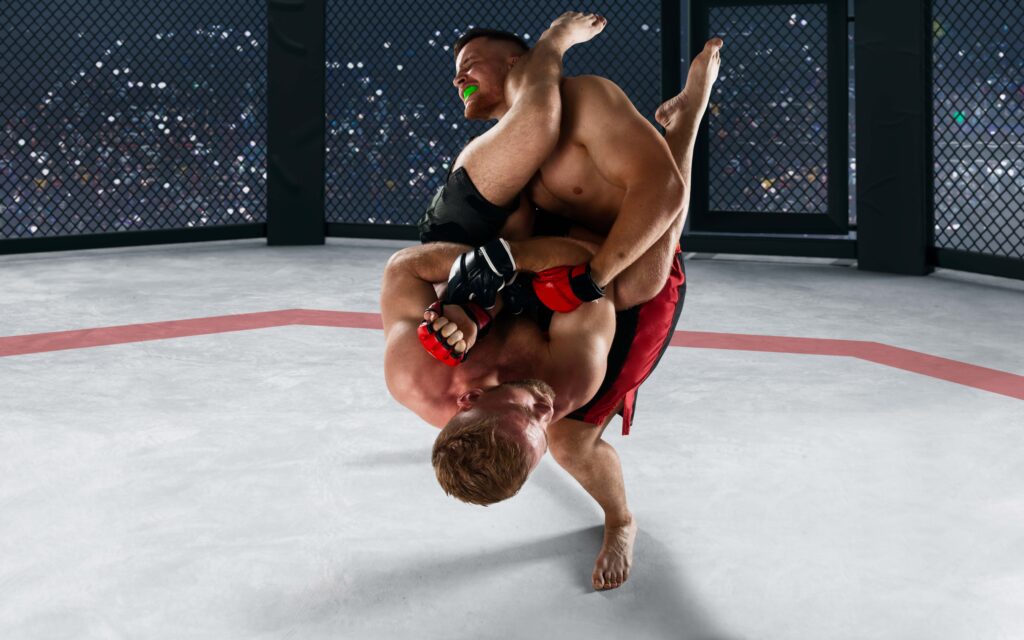
What is Wrestling? Definition and brief history
Wrestling is a discipline that blends strength, endurance, technique, and tactical thinking, drawing on centuries of competition and ritual. Its history spans ancient arenas, folk traditions, and modern promotions, evolving as athletes and communities developed safer rules, clearer scoring, and broader appeal across diverse cultures.
- Greco-Roman wrestling emphasizes upper-body throws and pins, forbidding holds below the waist, encouraging hip throws, clinches, and powerful torso control to score points.
- Freestyle wrestling allows use of legs for takedowns and defense, emphasizing agility, leg attacks, and dynamic transitions that yield points for exposure and control.
- Professional wrestling blends athletic competition with scripted storytelling, delivering dramatic in ring sequences, high risk maneuvers, and crowd engagement while maintaining safety protocols and match structure.
- Amateur wrestling focuses on scoring through takedowns, escapes, reversals, and pins within a regulated match, rewarding control, balance, and strategic positioning across periods and rounds.
- Regional and traditional forms vary worldwide, incorporating throws, grips, and mat work that reflect cultural legacies and adapt to local rules, tournaments, and training ecosystems.
Understanding these styles helps explain how wrestlers adapt to scoring systems, opponent strategies, and the pace of matches across clubs, schools, and international competitions.
Ultimately, studying the history and diversity of wrestling clarifies why athletes pursue this sport for development, competition, and a shared global language of technique.
Key Terminology and Positions
Wrestling terminology centers on actions that move the match forward, positions that define control, and rules that shape scoring and strategy. The basic idea is to gain advantage on the mat while limiting an opponent’s options for reversing the situation.
A takedown is a decisive offensive move that transfers the opponent from neutral position to a controlled position on the mat, typically earning two points when executed cleanly and legally.
A pin, or fall, ends the match when both shoulders are held on the mat for a defined moment, signaling clear control and forcing a stoppage or allowing the clock to expire with the wrestler ahead.
Escape is a defensive action that breaks the opponent’s control, returning the wrestler to neutral position and earning a point or preventing further scoring during a counting period.
A reversal turns a disadvantage into advantage, often converting a bottom position into neutral or top and shifting momentum with earned points.
Exposure refers to turning the opponent so their back is exposed to the mat, which can trigger near fall points when the exposure lasts for a defined duration before a counter move restores neutral control.
Neutral is the starting posture where neither wrestler has control. The top position gives one athlete control on the opponent’s upper body, while the bottom position focuses on defense and escapes. Transitions between these positions require grip work, pressure, and footwork.
Shots are attempts to secure a takedown from the standing position, often preceded by setup moves such as ties, overhooks, underhooks, and balance management, while balance and head placement determine success.
Referees oversee time, penalties, and stalling, while the scoring scale adds points for takedowns, escapes, reversals, near falls, and pins, guiding how athletes plan attacks and defenses.
For beginners, building familiarity with these terms through watching matches, practicing with coaches, and drilling standardized sequences develops confidence and safety on the mat.
Equipment, safety and training basics
Wrestling gear begins with a singlet and wrestling shoes, providing freedom of movement and grip on the mat. Protective headgear is common in many programs and may be required in some leagues, while a mouthguard helps protect teeth during collisions and clinches.
Before practice, athletes test the mat for cleanliness, secure anchors, and adequate padding. Equipment should fit snugly to avoid shifting that can cause chafing or restricted movement, and athletes should regularly inspect shoes for worn soles or loose laces.
Training basics start with a thorough warm up to increase blood flow and joint mobility, followed by technique drills that focus on stance, grips, and fundamental movements like shots and sprawls.
Foundation work includes conditioning routines, such as interval runs, sled pushes, body weight circuits, and mobility work for hips, shoulders, and ankles, all tailored to build balance, explosiveness, and endurance over time.
Skill progression matters; beginners start with controlled, low contact drills, then gradually add resistance, tempo, and live wrestling with moderate intensity under supervision to minimize risk of injury.
Safety culture emphasizes hydration, rest, and adherence to safety rules, including proper fall technique and safe dismounts. Coaches emphasize technique over brute force to reduce injuries.
Practical starting steps include finding a local club or school program, meeting the coach, and learning basic moves such as stance, level changes, and basic single leg and double leg attacks.
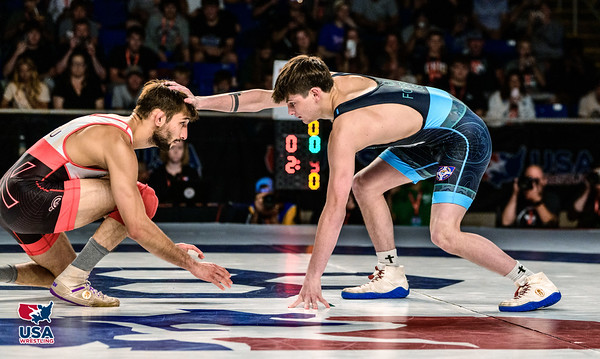
Comprehensive Styles Coverage for Training and Promotion
Wrestling is a diverse sport with a rich history spanning from ancient traditions to modern Olympic competition. It includes multiple styles that emphasize different mechanics, scoring systems, and training approaches, making it a global discipline with robust amateur and professional ecosystems. From freestyle and Greco-Roman to folkstyle and submission wrestling, wrestlers train across continents to compete in regional, national, and world events. This overview highlights core styles, their distinctive rules, and why fans and athletes alike value wrestling as a comprehensive test of technique, conditioning, and strategy.
Freestyle Wrestling: Rules and characteristics
Freestyle wrestling blends mobility, technique, and dynamic scoring, making it a sport that rewards versatility across positions. It is a staple of amateur circuits and Olympic competition, influencing coaching methods and athlete development worldwide.
| Rule/Feature | Freestyle Rule | Notes |
|---|---|---|
| Legal attacks | All body parts may be attacked; leg attacks permitted | Encourages diverse attacks and positional control |
| Takedowns | Points awarded for takedowns from neutral with control | Rewards clean entries and balance management |
| Exposure and pins | Back exposure earns points; pins end bouts | Combines turn-based scoring with immediate finish options |
| Period structure | Three periods of two minutes each; points carry across periods | Forces sustained offense and strategic pacing |
| Overtime/decisions | Tiebreakers based on criteria such as scoring and last to score | Promotes decisive outcomes in tight matches |
Understanding these rules helps athletes optimize training and competition strategy, while coaches tailor drills to maximize scoring opportunities. Coaches rely on this framework to guide wrestling training and conditioning programs for national and international events.
Greco-Roman Wrestling: Techniques and training emphasis
Greco-Roman wrestling is defined by its strict upper-body focus and prohibition of leg attacks. By forbidding holds below the waist, it shapes the way athletes approach clinch work, throws, and point-scoring sequences. The coaching emphasis centers on grip fighting, hip control, and precision in throws that maximize exposure scores while minimizing risk to the attacker.
Because legs cannot be used to trip or takedown, athletes develop powerful upper-body throws and lifts, such as body locks, arm throws, and suplex attempts, relying on strong upper-body strength and core stability. Training drills often prioritize hand-fighting, inside ties, and step-in throws that exploit angles and leverage, along with rigorous conditioning to sustain intensity across bouts. Conditioning programs emphasize explosive power, grip endurance, and flexibility, so athletes can execute high-precision techniques without becoming overextended.
Technically, Greco-Roman matches reward throws that showcase balance, control, and exposure while also putting a premium on eventually pinning the opponent. Coaches structure practices around technique refinement in the standing phase, followed by controlled ground work that remains consistent with sport rules. Emphasis is placed on safety and proper technique to avoid injuries during throws and takedown attempts, as the upper-body mandate increases the risk of shoulder and neck strain if misapplied.
In training, athletes frequently drill inch-perfect throws, panoramic pins, and par terre defense to convert openings into scoring opportunities. The coaching priorities include video analysis of grips and angles, repetition of high-amplitude throws, and conditioning that preserves speed and balance after each contact. Overall, Greco-Roman wrestling cultivates a mindset of relentless upper-body pressure and technical precision, shaping athletes who excel in international competition and traditional amateur circuits alike.
At the youth and collegiate levels, coaches emphasize progressive mastery of clinch positions and throws, often alternating live drills with controlled rep sets to build muscle memory. The rule set about holds and heavy contact in Greco-Roman also pushes athletes to focus on safe, legal throw construction rather to avoid illegal grips or contact below the waist, reinforcing discipline from the first practice onward.
For athletes transitioning to national teams or competing in world championships, biomechanical analysis, specialized strength work, and periodized plans help maintain peak performance across multi-day events. This approach mirrors Olympic-level training, where Greco-Roman athletes blend tradition with modern sports science to stay competitive across weight classes and age groups.
Other styles: Folkstyle, Submission Wrestling, Sumo, and Professional Wrestling
Folkstyle, primarily practiced in the United States in high school and college programs, emphasizes control, riding time, and pin attempts. Scoring rewards dominant position and technical escapes, while the rules encourage strategic stalling prevention and mat awareness. This style bridges amateur competition with a strong educational framework, connecting training to long-term athletic development and wrestling history.
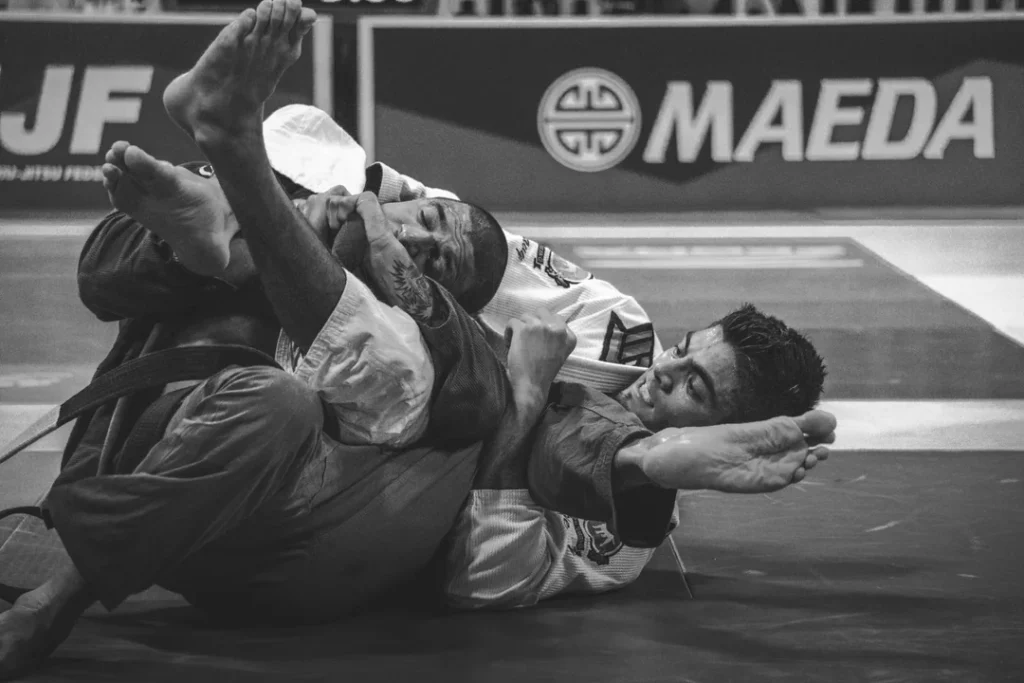
Submission wrestling, also known as no-gi grappling or mixed grappling, focuses on positional control and submissions such as chokes and joint locks. It integrates elements from Brazilian jiu-jitsu and other grappling arts, emphasizing transition-based sequences and timing. Training often features live rolling, drilling of submission chains, and conditioning that supports quick transitions and resilience under pressure.
Sumo wrestling centers on pushing the opponent out of the ring or causing them to touch the ground with anything other than the soles of the feet. It prioritizes balance, mass, and explosive hip movement, with rituals and strategy that differ from catch-style grappling. Athletes condition for explosive starts, footwork, and the ability to maintain stance integrity against larger opponents.
Professional wrestling, or WWE-style entertainment, blends athletic technique with storytelling, character development, and theatrical presentation. While it borrows real wrestling skills, matches are choreographed and scripted to maximize spectator engagement, requiring athletes to balance safety with performance. Training pipelines here combine traditional conditioning with ring psychology, promo work, and coordination with opponents to deliver compelling, credible performances.
Across these varied styles, coaches emphasize fundamentals like stance, grip, and conditioning, while allowing for stylistic differences that reflect historical origins and cultural contexts. Understanding each style’s rules and tactical tendencies helps wrestlers navigate career paths that may include amateur competition, professional circuits, or crossover training for mixed martial arts.
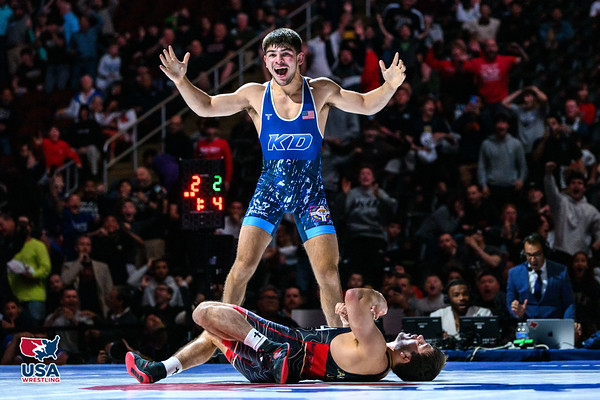
Rules, Scoring System and Accessibility
Wrestling combines a structured rule set, a precise scoring framework, and pathways that open the sport to players of all ages and abilities. Fans follow how actions translate into points and how officials regulate the action to maintain safety and fairness. The scoring system rewards technique, control, and persistence, while penalties deter dangerous or unsportsmanlike conduct. Clear accessibility options ensure youth, adults, and adaptive athletes can participate at local clubs, schools, and community programs around the world. By understanding rules and scoring, newcomers gain confidence and long-time fans gain appreciation for the craft involved in wrestling across styles and levels.
Scoring system explained
The table below presents the major scoring actions used in freestyle and Greco-Roman wrestling, along with the points awarded and the circumstances in which they count. This overview helps viewers and participants understand how a match can pivot from takedowns to near falls and penalties.
| Action | Points | When it counts | Notes |
|---|---|---|---|
| Takedown | 2 | Counts when the attacker gains control on the mat from a standing or starting position and maintains control long enough to establish legitimate top control. | Two points are awarded for a clean takedown; additional points may accrue if a secondary control move leads to exposure or near fall situations. |
| Reversal | 2 | When the defensive wrestler shifts from bottom to top and regains control, exchanging position and creating a change in the advantage. | Requires clear control and continuous movement; a successful reversal yields two points for the wrestler gaining top position. |
| Escape | 1 | A wrestler on the bottom escapes to neutral control, breaking the opponent’s hold and returning the match to a neutral stance. | Escapes reset the action and can set up new attacking opportunities from the top or neutral. |
| Near fall / exposure | 2–3 | Given when the back or shoulders are exposed toward the mat for a defined duration, indicating a near pin. | Points vary by exposure duration; longer periods of near-fall exposure yield more points and can decisively swing a bout near the end. |
| Penalty | 1–2 | Awarded for rule violations or passive behavior; points go to the opponent when the offending wrestler commits a foul. | Penalties disrupt rhythm and can dramatically alter momentum; repeated infractions may lead to more serious consequences. |
Note that scoring can differ slightly between styles and levels, but the core concepts of takedown, reversal, escape, near fall, and penalties remain central to how matches are counted and won.
Common fouls, penalties and match procedures
Common fouls and procedural rules shape how matches are conducted and officiated. Referees enforce penalties to maintain safety and fair competition, while coaches and athletes adapt strategies within the rules.
- Illegal holds and dangerous grips: Techniques like restricted headlocks or unsafe neck holds are prohibited; referees enforce penalties, warnings, or disqualification depending on severity and intent.
- Passivity and stalling: Players who fail to engage or repeatedly neutralize action receive cautions and point penalties, prompting the other wrestler to press offensively.
- Breaks after the whistle: Returning promptly to contact after a pause is required; violations can trigger resets and warnings for both competitors.
- Grabbing clothing or equipment: Handling or pulling on gear is forbidden; violations lead to penalties and possible start position adjustments.
- Illegal slams or dangerous throws: Mov es intended to injure prompt penalties or disqualification, protecting athletes from high-risk techniques.
- Out-of-bounds or break rules: Wrestlers must re-engage within the boundary; infringing actions can result in warnings or penalties and a reset of the stand-up situation.
Officials use a combination of verbal warnings, point penalties, and procedural resets to manage this complex flow, while coaches and athletes learn to adapt strategies within the rules to maintain competitive balance.
Accessibility: How to get started, age groups and adaptive wrestling
Getting started in wrestling typically begins with finding a local club, school program, or community center that offers beginner classes. Prospective athletes should check for age-appropriate cohorts, safety-focused drills, and coaching that emphasizes fundamental grips, stance, footwork, and conditioning. Basic equipment includes a singlet, wrestling shoes, and a headgear option for ear protection; many programs provide rental gear for newcomers while they learn the basics and ensure proper fit and safety.
Wrestling programs span a wide age range from youth (often starting around 5–7 years old) through teens and adults. Youth leagues emphasize learning, balance, coordination, and sportsmanship, while adult clinics focus on conditioning, technique refinement, and competition preparation. Across ages, consistent practice, proper nutrition, and gradual progression reduce injury risk and build confidence on the mat.
Adaptive wrestling expands participation for athletes with physical or cognitive differences. Para-wrestling programs and inclusive clubs tailor instruction and rules to individual needs, offering modified grips, weights, and match formats. Federations and organizations also support opportunities in education, recreation, and competitive settings, promoting accessibility through mentorship, adaptive equipment, and coaching education so more people can enjoy the sport.
Global Reach, Availability, Support and Offers
Wrestling has grown from local clubs into a global ecosystem that spans continents, with youth programs, national bodies, college competitions, professional leagues, and a digital landscape that makes training and events accessible worldwide. The sport’s global reach is reinforced by official structures like national federations and international bodies, which organize rankings, certify coaches, and coordinate multi-sport championships that bring together diverse wrestling styles under a shared rules framework. Major competitions such as world championships and Olympic qualifiers draw athletes from wide geographic regions while media networks, streaming platforms, and federations create broad visibility that helps sustain investment in venues, clubs, and youth development. In addition to elite pathways, community clubs and school programs offer entry points for beginners, families, and crossover athletes from other combat sports, supporting inclusivity and lifelong participation. What links these opportunities is a commitment to accessible training, standardized safety practices, and continuous education for coaches and athletes, ensuring that wrestling remains a dynamic sport with room to grow worldwide.
Wrestling worldwide: geography, popularity and major competitions
Global wrestling has become a multi-regional phenomenon, attracting diverse fans and substantial investment as athletes move between continents in pursuit of elite competition.
- United States: A major hub for amateur and professional wrestling, with NCAA programs, strong college circuits, and annual events that drive global talent development and media exposure.
- Japan: A deep, technically skilled wrestling culture, from school programs to national federations, consistently producing champions across freestyle, Greco-Roman, and women’s divisions in global events.
- Iranian wrestlers carry a storied freestyle and Greco tradition, supported by strong national programs, hosting events and producing Olympic podium contenders amid a deeply passionate fan base.
- India: A vast grassroots base for wrestling, with traditional Kushti roots and modern training centers feeding into national squads that perform strongly at Commonwealth and World Championships.
- Europe and the broader region: Diverse programs spanning Greco-Roman strength and freestyle innovation, while continental events, clubs, and universities fuel cross-border rivalry and development across dozens of nations.
- China: A growing wrestling market with strong youth programs, nationwide leagues, and increasing success in freestyle and women’s wrestling on continental and world stages.
- Brazil: A developing scene in both traditional and modern styles, driven by clubs, schools, and regional events that broaden access and inspire future champions.
These ecosystems shape talent pipelines, broadcasting partnerships, and cross-border coaching ties that sustain both amateur and professional wrestling.
How to find clubs, coaching, and online resources
Begin by checking your national wrestling federation’s website for clubs, sanctioned events, and accredited coaches. Use geographic search terms such as ‘wrestling club near me’ and filter results by style—amateur, freestyle, or Greco-Roman—to narrow the field. Look for coaches with current safety certifications, organized practice plans, and a documented history of developing beginners into competent athletes. Reach out to local high schools, colleges, YMCA branches, martial-arts gyms, and community centers that run wrestling or grappling programs. When you visit, pay attention to how facilities are organized, how coaches communicate, and whether the environment prioritizes safety, inclusivity, and gradual skill-building.
Support networks, scholarships, and career paths in wrestling
Scholarships and grants constitute a vital support stream for wrestlers seeking to balance training with academics and life responsibilities. Universities and colleges frequently offer athletic scholarships for qualified wrestlers, while national programs and Olympic committees provide stipends, access to training facilities, and travel subsidies for national and international events. Nonprofit organizations and regional sport funds may support camps, coaching clinics, or travel to competitions. To access these opportunities, athletes should maintain a clear competition log, assemble a portfolio of results, and work closely with coaches to navigate eligibility criteria and application deadlines.